A DUC, 2 Medals of Honour and Napalm.

In Trails 27 and 28 we head back to  southern Norfolk, to the eastern side of Thetford Forest. We visit three airfields, each one tells a remarkable story of heroism, bravery and loss.

Our first, just to the north of Attleborough, was home to the mighty B-17s of the 452nd Bomb Group, 45th Combat Wing, 3rd Air Division, Eighth Airforce. We start off at the windy and open expanse that is Deopham Green.

RAF Deopham Green (Station 142).

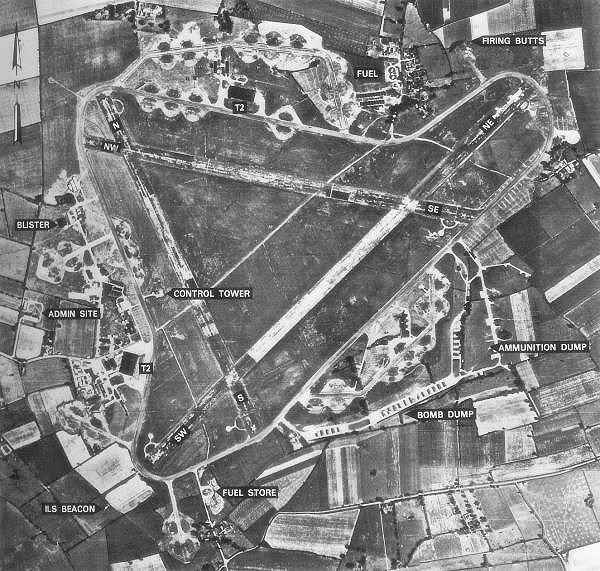
Deophamgreen-9jul46

Deopham Green taken 9th July 1946*1

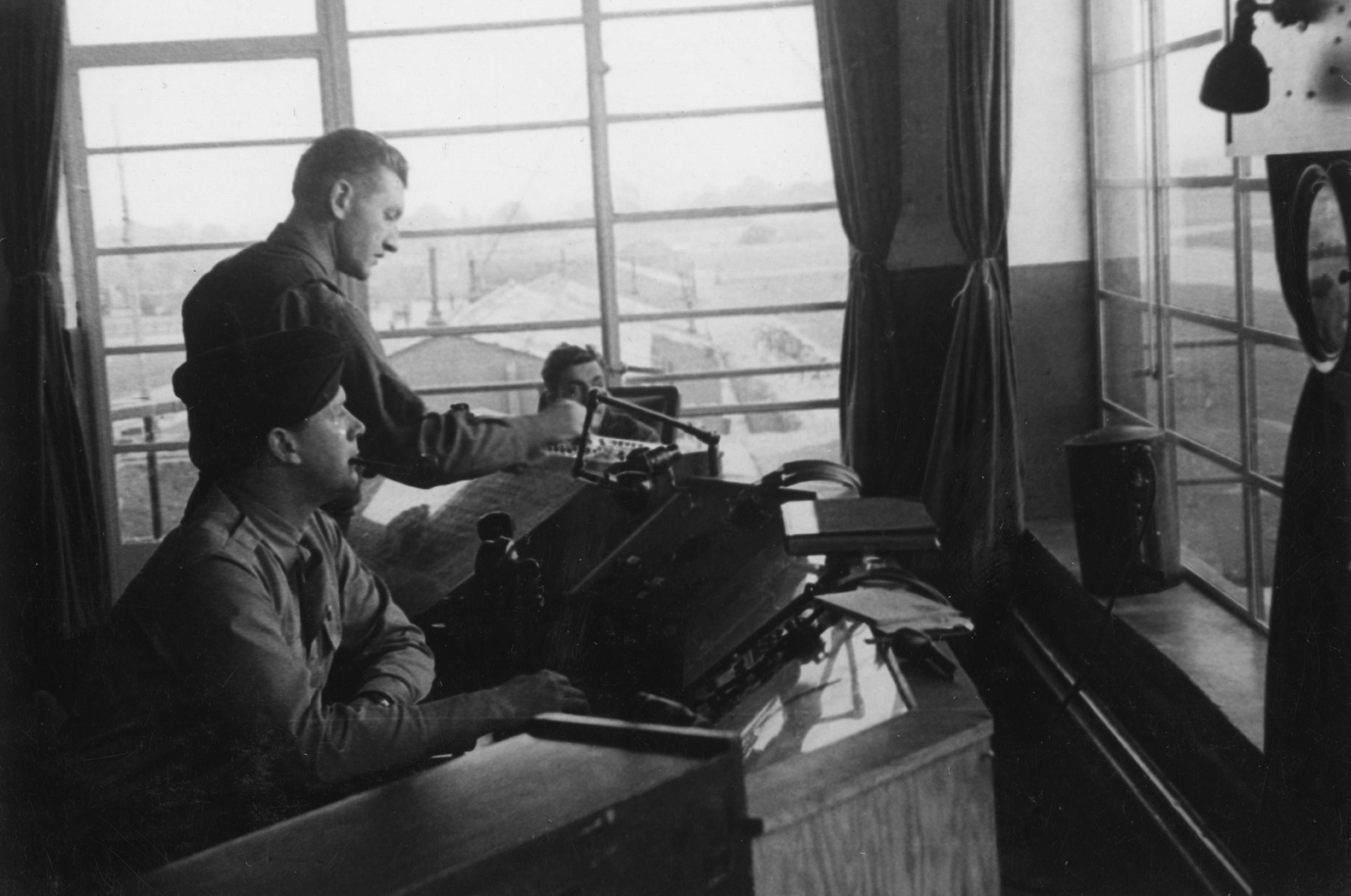
Deopham Green (Station 142) was built-in 1943, to Class A standard and consisted of the usual three concrete runways; the main of 2,000 yds running NE-SW and two further runways NW-SE and  W-E both of 1,400 yds. All three were linked by a perimeter track with fifty-one dispersed hardstands (forty-nine loops and two pans), and two T2 hangars, one to the north and the second to the south-west of the airfield. The accommodation sites, 13 in all, lay to the west and south-west and could accommodate around 2,900 personnel. A mix of communal sites, sick quarters and accommodation blocks were spread widely to avoid injury through attack. The bomb site and fuel stores were situated to the south-east well away from the accommodation area.

Deopham Green’s first and only flying resident for the duration of the conflict was that of the 452nd Bomb Group.

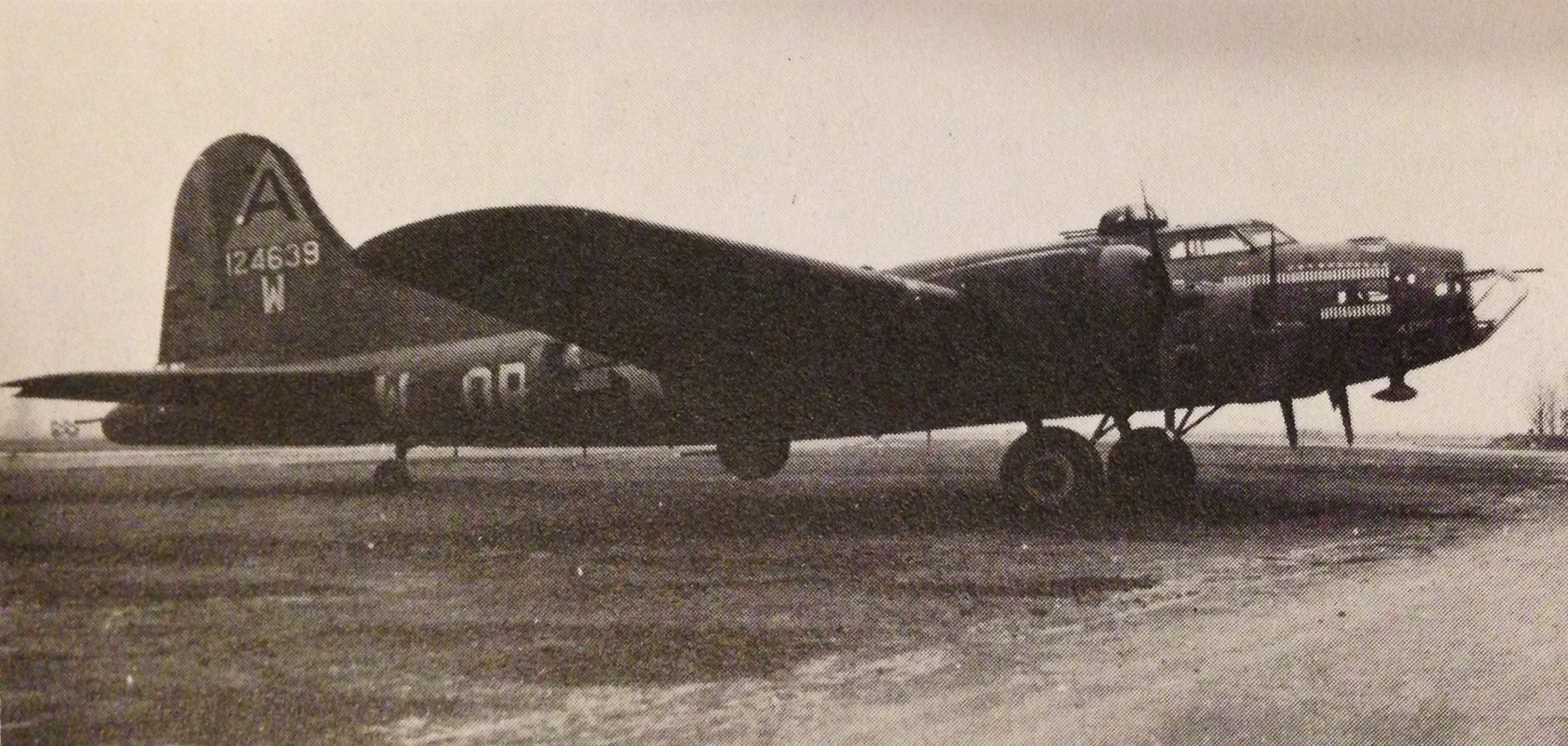
The 452nd BG was made up of four bomb squadrons; 728th, 729th, 730th  and the 731st, flying B-17Gs. A black square with a white ‘L’ and parallel yellow bands denoted the group, whilst individual squadrons were issued with the codes 9Z (728th), M3, (729th), 6K (730th) and 7D (731st), although these were not displayed on individual aircraft during the conflict. Instead, squadron codes were a bar and ‘+’ sign or combinations of each allocated beneath the aircraft serial. The B-17s of the 452nd were originally olive and grey factory finish, but in March 1944, they began using the more common natural metal finish.

Aug 2015 025

The main runway looking south-west. The adjacent road uses part of the original track.

They were activated on June 1st 1943 moving to Deopham Green later that year between December and January 1944. Their first combat mission was to be on February 5th 1944. They would attack strategic targets such as: Frankfurt, Regensburg, Kassel, Schweinfurt and the oil installation at Bohlen. They initially operated over northern France attacking airfields, bridges and coastal defences in preparation for the Normandy invasion; supported ground troops in the advance against Brest, St Lo and the Battle of the Bulge. They also struck sites in preparation for the Allied crossing of the Rhine.

The 452nd was one of the first groups to use Petroleum Jelly bombs, later known as ‘Napalm’, a weapon that was to prove deadly to its victims.

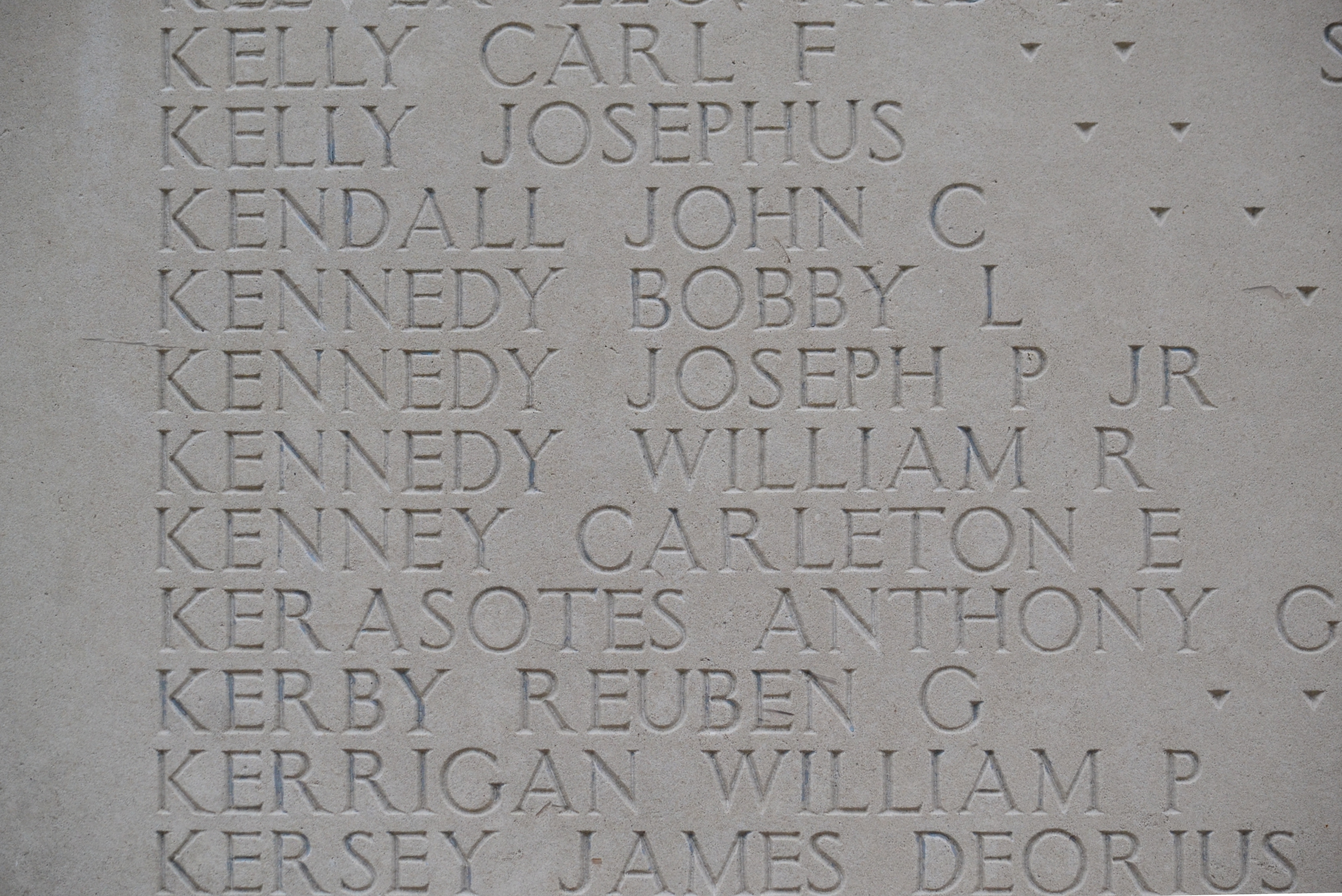
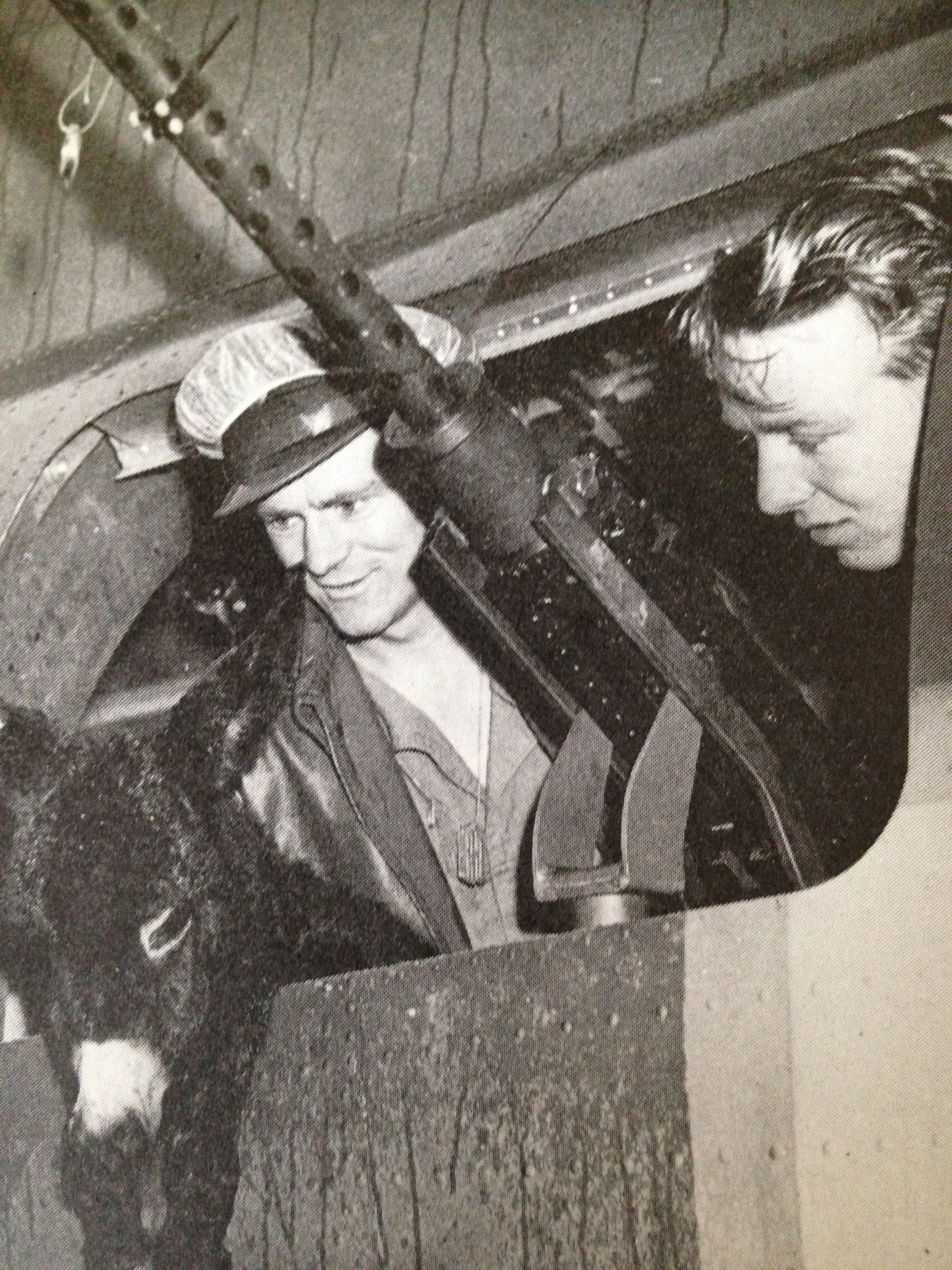
It was on November 9th 1944 that Lieutenants Donald Gott and  William Metzger Jr performed courageously earning  the Medal of Honor posthumously after they were killed nursing their crippled B-17 ‘Lady Janet‘ home from Saarbrucken. Their story is described in ‘Heroic Tales‘.

For their courage, the 452nd BG received their first Distinguished Unit Citation (D.U.C) on April 7th 1945 for their action against strong fighter cover and flak over the jet fighter base at Kaltenkirchen.  Mission 931 would see one hundred and forty-three B-17s take on FW-190s and Me 262s – the 452nd would lose four B-17s. This was to be the final D.U.C. of the entire conflict for any bomb group.

The 452nd flew their final operational sortie  later that month on the 21st April 1945, returning to the U.S. in the following August where they were disbanded on the 28th.

Aug 2015 010

The southern end of the main runway.

In total, the 452nd flew 250 missions dropping 16,466 tons of bombs and losing 158 aircraft. They had the unenviable honour of having more Commanding Officers than any other Bomb Group during the Second World War. They achieved a D.U.C and two posthumous Medals of Honour, their awards reflecting their dedication, bravery and sacrifices.

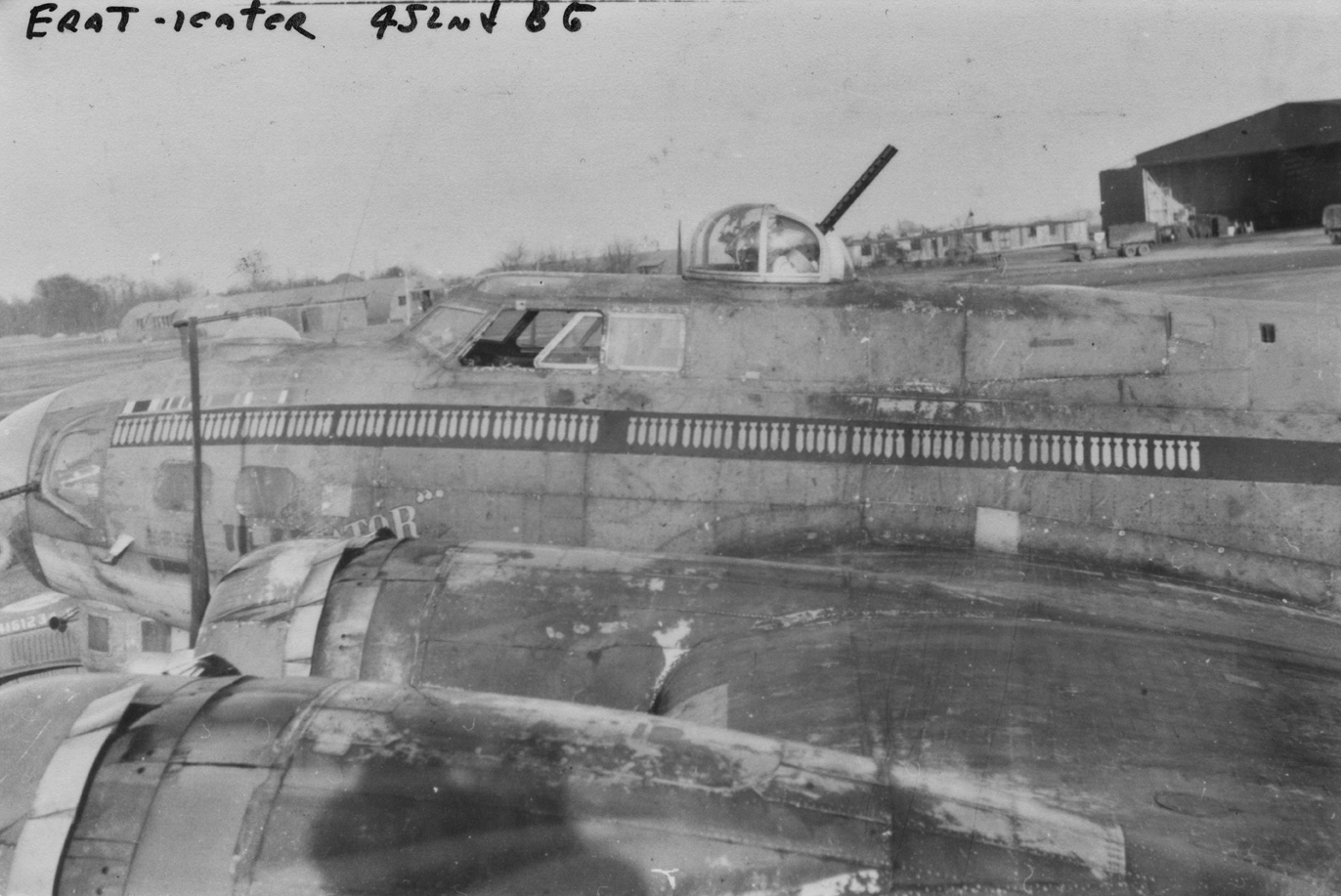
Sadly only one aircraft 42-39970, ‘E-Rat-Icator‘ of the 730th BS, was to survive every mission and return home to the United States. E-Rat-Icator completed an incredible 120 bombing missions, a major triumph for any operational aircraft only to be unceremoniously scrapped in December 1945.

B17

B-17, 42-39970, ‘E-Rat-Icator’ 730th BS, which was one of the first to use Petroleum Jelly bombs. This was to be the only aircraft of the 452nd to survive every mission and return home*2

At the end of hostilities the 452nd left the UK and Station 142 was handed over to the RAF 258 Maintenance Unit for care and maintenance. It was finally closed for good on New Years day 1948, the land was sold off in 1961 and returned to agriculture, a state in which it survives today.

Deopham is a windy and wide open expanse. Development of the site has changed little of its atmospheric feeling. If starting at the southern end of the airfield, the first signs we see are two small structures; a small sentry post and ground crew hut used during maintenance work. Both stand amongst the hedges overgrown and almost hidden, the sentry post very run down and its life is surely near the end. The hut fights on, albeit in a very poor state, and is now the home of farm machinery and stores, and is more likely held together by the weed than any orignal fixings. To your left, at the end of this small track is a loop dispersal, where the B-17s would have been worked on by the crews in the hut.

Aug 2015 013

A hut once used by ground crews, barely stands in the undergrowth.

Leaving here, head north, taking the road from Bush Green follow it round. You pass on your right the entrance to the former fuel dump, then you veer right, this is now the original peri track. Turning left, you pass a gate on your right,  this junction is the entrance to the bomb store . There is no longer any sign of the mass of munitions that once sat here, merely a concrete road and farm supplies. Continue heading north, you are now on the lower section of the NW-SE runway. A short way up, it crosses the main runway, remains of the original can be seen on both sides of the road, its width giving an indication of the size of the aircraft that used it. From here, turn right and then drive along its length toward Deopham Stalland. This road utilises the main runway virtually in its entirety. The length of these concrete runways clearly visible, and in places, so too is the width, some 50 feet. Along here, the old sections that have not been covered in tarmac, run along side, and stopping off at any point allows you to stand and soak up the atmosphere of those lumbering bombers racing down the runway, labouring to get airborne with their mighty loads. At the end, you can see the last section stretch out before you, the weeds now taking over. Turning left will take you round the peri track toward the north-eastern side of the airfield and away from the site.

Aug 2015 034

One of the few remaining buildings fights the vegetation – Accommodation Site 7

Turn back on your self, drive down the ‘runway’ to the crossing point and then right and continue north. This is the secondary NW-SE runway once more. Most of this is now beneath the soil, but small sections can be see. Eventually you arrive at a small triangular grassed area. Three trees enclose a small memorial dedicated in May 1992 to the crews of the 452nd BG. A large concrete expanse to the right, the ‘car park’, are the remains of the original runway; from here it heads off to the north as a small track now frequented by dog walkers rather than heavy bombers. Carry on in a westerly direction toward the farm buildings. To your right a small track leads to where the control tower once stood. Sadly long gone, it was a standard wartime design to 12779/41, and was demolished after the land was sold in the 1960s. Behind here was the admin site, housing several dispersals and a blister hangar. All now gone and the land used for buildings owned by Stallard Farm.

To your left stood one of the two T2 hangars and other technical buildings, again mostly all gone today, those that are left are now part of the farm.

Aug 2015 040

Former Gymnasium and Chancery located on Site No. 5

Continue past this area and you come to a cross roads. Directly opposite to your right is the location of accommodation site 7. Heavily overgrown, it was the home to the 728th BS. The few remaining structures here are also nearing the end of their useful lives. Further on, are accommodation sites 8 and 9, only concrete and a few foundations remain, evidence of the huts that once housed crews here. Turning left at this junction, heading south, you pass Sites 4 (Communal) and 5 (Mess). Also here were sites 12 and the sick quarters 13. Here at site 5, there are a few buildings including  the former Nissen hut library, gymnasium and chapel, and former mess hall. These buildings are now owned by the Council and the Nissen hut still has today artwork paintings of ‘Robin Hood’ on the wall to the rear. A few other buildings survive around here in modern-day use. Others are mere shells and in great danger of falling down.

The former sick quarters (Site 13) still has buildings in use today.

Carrying on along this road and you leave Deopham Green through what was the main entrance. No visible sign of this remains today, the barrier and remaining accommodation sites to your right are all sadly long gone.

Deopham Green was a major airfield used by the Eighth Airforce for bombing missions over Europe. It supported ground operations, targeted transport and communication routes, and saw bravery beyond a scale imaginable today. It also led the way in new and devastating weapons that were to become commonplace in news reels in later years. It is amongst its wind-swept fields, sections of runway and small collection of buildings, that  remain the memories of those who never came back to tell the tale of the devastating war over occupied Europe.

On leaving Deopham Green, we head south again, to our next stop where the roar of radial engines has been replaced by the roar of motor racing. We visit the former American airbase at Snetterton Heath.

Sources and further reading.

*1 Photo in Public Domain, taken from wikimedia.

* Photo taken from Roger Freeman collection at http://www.americanairmuseum.com/media/10336

Amongst the Rabbit holes and bracken stand the bomb stores of yesteryear.

Trail 13 continued around the western edges of Norfolk, near to Thetford Forest and the heaths of Breckland. Here, not from Thetford, is an airfield left over from the latter parts of the war. Seeing both RAF and USAAF personnel, it was often boggy and wet, but that didn’t deter those brave young men who fought for freedom.

Now an Army training camp, what’s left is being attacked by another enemy. We return to Southern Norfolk to complete an earlier Trail.

RAF East Wretham (Station 133)

Originally built-in the early part of the Second World War and opened in March 1940, East Wretham was designed as a satellite to RAF Honington with an all grass runway running NE/SW, 2 x T2 hangars, various defence pillboxes, support buildings and a number of blister hangars. At Honington, a newly formed 311 (Czech) Sqn was formed (29th July 1940) flying Wellington ICs, and they utilised East Wretham as a dispersal until August that year, when they permanently moved in. 311 Sqn carried out night bombing duties for the duration of the time they were here, but then in 1942, Wretham’s status changed once more. 311 sqn moved out and East Wretham became a satellite for Mildenhall taking in 115 Sqn on the 8th November, with their Wellington IIIs. The following March (1943) these were replaced with the rarer Lancaster MkIIs and these remained here in the night bomber role, until a further change in August 1943 when 115 sqn moved to Little Snoring and the site passed to American hands to become Station 133.

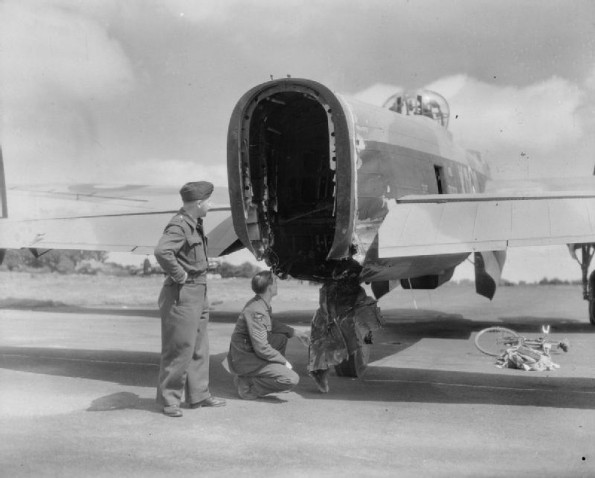
rear-turret-of-Lanc-lost-595x478

Avro Lancaster B Mk II, DS669 ‘KO-L’, of No. 115 Squadron, was hit by bombs from an aircraft flying above. durinhttps://aviationtrails.wordpress.com/wp-admin/post.php?post=1422&action=editg a raid on Cologne on the night of 28/29 June 1943. The tail gun and gunner were both lost. (Author unknown)

Now home to the 359th Fighter Group,  it hosted the big heavy P-47 Thunderbolts of the 368th (code CV), 369th (IV) and 370th (CR latterly CS) Fighter Squadrons and so had to have steel matting runways laid to accommodate their heavy weight on the soft ground. Used primarily for bomber escort, the 359th FG would fly escort to targets in nearby France. However, in April 1944 the P-47s  were replaced with the more agile P-51s which allowed them to penetrate deep into the heart of both Germany and Poland. A task the ‘Mustang’ became famous for. During the Allied invasion of Normandy the 359th attacked bridges, locomotives and supported bombers hitting targets around the invasion area. As the invasion force got a foothold in France, the three squadrons of the 359th returned to long-range bomber escort duties, taking part in raids over Ludwigshafen, Frankfurt, Berlin and Merseburg. During August 1944, the group supported the operations in ‘Market Garden‘ and later that year the Battle of the Bulge in the Ardennes.

Wetmore

Maj. R. Wetmore, of the 370th FS, in front of P-51B (42-106894) ‘CS-P’. on the shoulders of his ground crew*1.

On 11th September 1944, the Green nosed Mustangs of the 359th really made their mark when they shot down 26 enemy fighters; for this, they received the Distinguished Unit Citation (DUC). The determination shown by the 359th resulted in many outstanding pilots. One, Maj. Raymond “X-Ray Eyes” Wetmore became the 359th (370th FS) top ace scoring 21 victories – his last being an Me 163. Flying in P-51 “Daddies Girl” named after his daughter, he received numerous awards and by the end of the conflict had completed 142 missions covering 563 combat hours.

Aug 2015 002

The old part remains cordoned off.

This attitude to the war, gave the 359th a worthy credit of 263 aircraft shot down with over 100 more being destroyed on the ground. In the 346 missions they flew, they lost a total of 106 of their own aircraft.

In November 1945 the USAAF left and no further flying took place at East Wretham . The airfield reverted to 12 Group (RAF) ownership, then in May the following year, it was handed back once more to Bomber Command . Within a month the site was handed over to the Technical Training Command and finally East Wretham became a Polish resettlement camp for those personnel who were unable to return home. When they had all finally be moved on, the majority of the site became what it is today, used by the British Army as part of the massive Stanford Practical Training Area (STANTA ) for manoeuvres and live firing training.

Aug 2015 015

The bombs stores blast walls are still intact – just.

Today most traces of the airfield as it was are gone. A number of buildings notably a T2 hangar and several Nissen huts survive on what is now farmland or in the military camp. The unique Watch Tower was demolished after the war as were many of the other ‘temporary’ buildings. Now used by STANTA, a mix of old and new are intertwined and the majority stands on inaccessible military ground.

Perhaps the best and by far most accessible examples of East Wretham’s past, is the bomb site which forms part of the East Wretham Heath Nature Heritage Trail. Access is to the south of the site just off the main A1075, Thetford Road. A two-mile walk though Heath land, it takes you right through the original bomb store. An area of natural beauty, famed for its wetland and ancient flints, you can easily find the many blast walls and small fusing buildings still there. Also traceable are the tracks that once took bomb loaded trailers to the airfield across the heath. Many now buried under the acidic soil, their existence evident in exposed patches of bare concrete.

Aug 2015 020

The decay is evident throughout the bomb store.

All these stores are being gradually reclaimed by nature, trees and rabbit holes have both played taken their toll, the layout is still discernible and whilst much of the brickwork is intact, the warning signs are there and they are crumbling fast.

A small airfield, East Wretham was never considered the most ‘homely’ of sites. Often wet and boggy, it was one of the less well-known and less famous places to be used. But the courage and determination of those who served here both RAF and USAAF, went a long way to helping defeat the tyranny that stood facing us across the small section of water not so far away.

To see the other sites on this Trail, Old Buckenham and Tibbenham, go to Trail 13.

Sources and further reading:

*1 Photo: 359th Fighter Group Association, accessed at http://www.littlefriends.co.uk/

1940s revisited

A little more light-hearted look at the 1940s away form the disused airfields of Britain.

These last two years have been significant years in terms of both the First and Second World Wars. With the 100th anniversary  of the start of WWI last year, the 75th anniversary of the Battle of Britain this year, VE-day and of course to come VJ-day commemorations, there has been an understandable increase in interest in all things Second World War.

One thing I have noticed in particular, is the increase in numbers at 1940s weekends, in both participants and visitors.

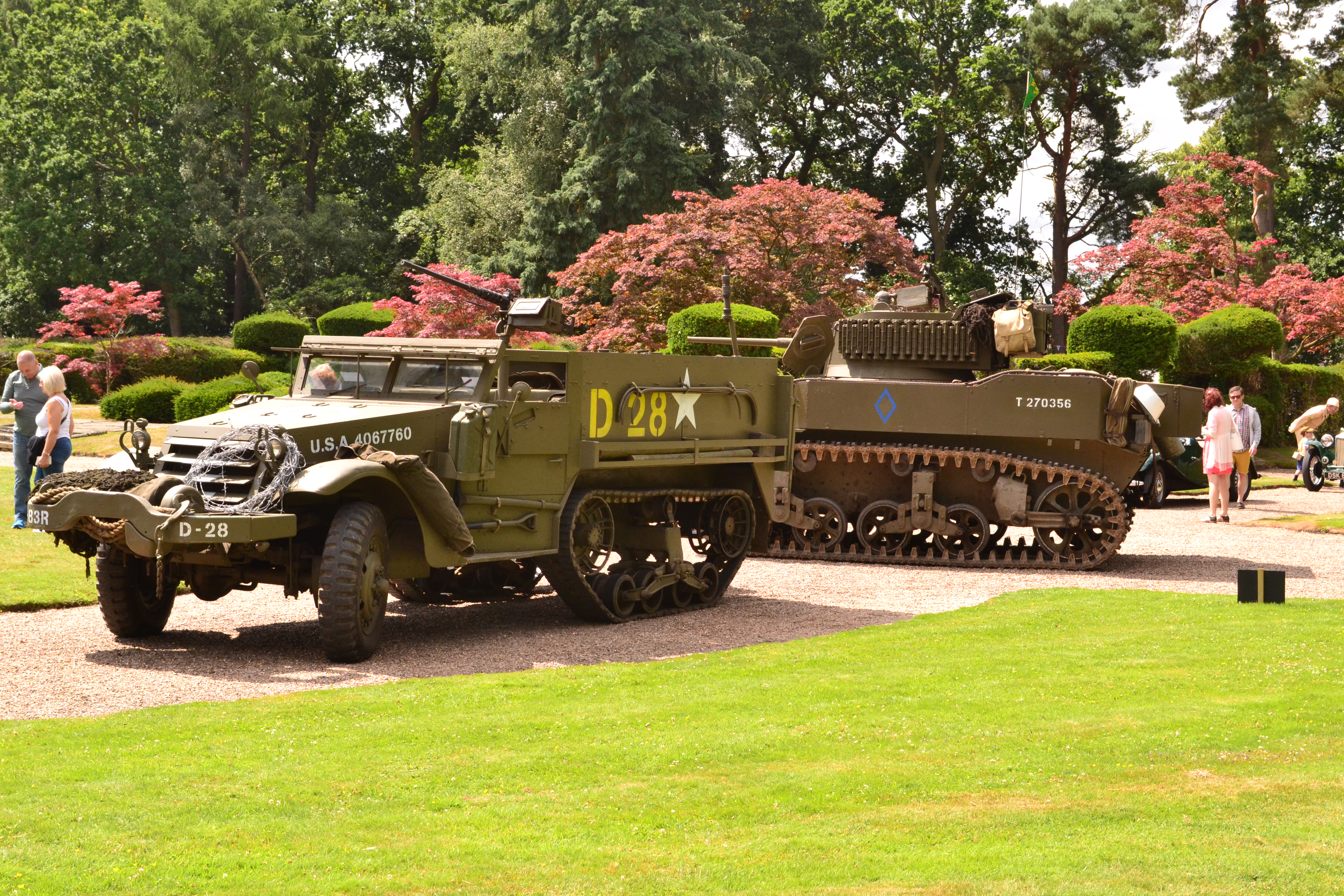
DSC_0008

Vehicles of all shapes and sizes came for the weekend.

I myself have been to two recently, and at one I got the chance to sit in a Spitfire cockpit. Not something you do every day!

I know these events are not to everyone’s taste and some will groan at the thought of it, but I do think there is an historical value to them. Many of the participants only use genuine clothing or equipment, much of what you see is rare and in all cases they are only too keen to talk about what they have, its history, how and where it was used and in some cases, allow you to hold the articles in question.

DSC_0010

The rumbling of tanks could be heard once more.

From another perspective, and for those of you who know my day job, there are too, a growing number of children attending these events which I believe is a good thing as it brings history to life – something that is very difficult in a school classroom. A gun in school? I can see the headline now!

Two events I recently attended, both for different reasons, were at Woodhall Spa and Baston, two small villages in ‘Bomber country’, Lincolnshire.

Woodhall Spa was the home to the Dambusters, and for one weekend each year the entire village steps back in time to the 1940s. A second invasion occurs. Walking along the high street is like walking along in 1940, uniforms of every description can be seen, from RAF aircrew to British Army, U.S. infantry, Canadian, and even a variety of Russian, Luftwaffe and German infantry. Even the 1940s housewife, ‘spiv’, Firemen, Policeman and Milkman are represented in full 1940s attire. Many of the vehicles that line the numerous side streets are authentic World War II vehicles, half-tracks, trucks, endless jeeps and even the odd small tank driven here on trailers or under their own steam. Owners have taken a lot of time and money to get them rebuilt and keep them going.

DSC_0018

Re-enactors were everywhere

At the Petwood Hotel, used by 617 Squadron as a mess and officers quarters, there are re-enactments, talks and even ‘briefings’ in a 1940s style. The BBMF perform short displays over the grounds of this small village adding to the feel and as always people stop and watch in awe as once again a Spitfire, Hurricane and Dakota fly low over the streets of this small Lincolnshire village.

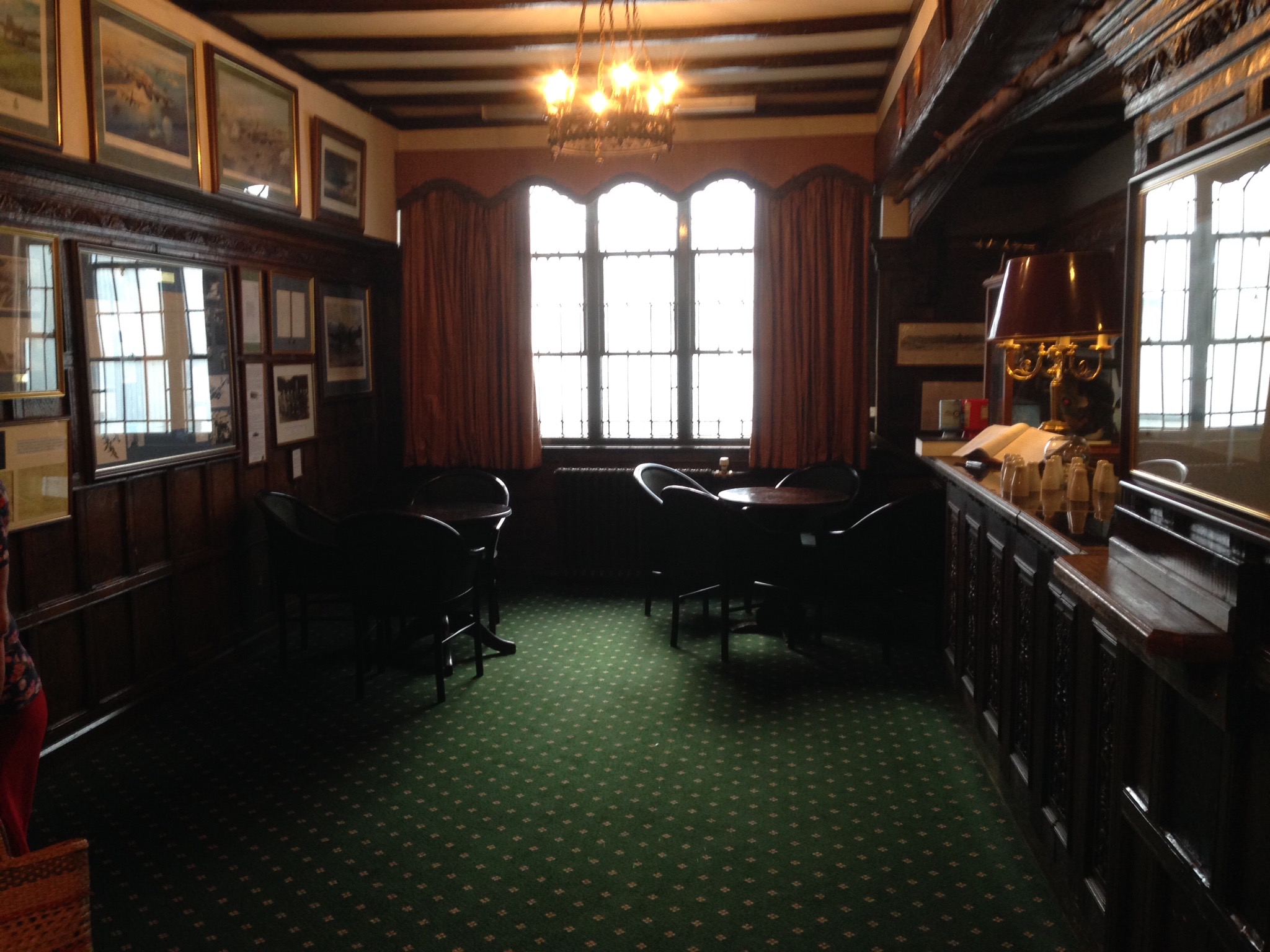
Inside the Petwood, you can wander the rooms that 617 Sqn once wandered by Guy Gibson and his crews; drink a tea or refreshing beer in the same room they did. The Squadron bar, displays numerous letters, photographs and other memorabilia connected with 617’s stay here. It is a remarkable place to be, knowing you walk the same ground as those special crew members did some 70 years ago.

July 2015 008

The Squadron bar.

Outside in the manicured gardens among the rhododendrons singers perform the many songs that inspired a nation, bolstered our morale and kept us going through those dark days of the Second World War. The feel is very much 1940s.

DSC_0001

Spitfire that is about 80% original.

Baston was very much the same. A large participation of re-enactors, vehicles and uniforms, many rasing money, good money, for War Veterans – a valuable cause I’d say. But it is the most odd feeling to walk amongst uniforms that once fought to the death and that were feared by those who were governed by them. In the summer and autumn of 1940, Britain came so close to being invaded, today an invasion has taken place.

Whether you like them or not, these events do have a place in our ‘living history’ and thankfully now, at least, it is on friendly terms.

Memorial Garden Opening 

Mixing my day job with my hobby is not usual but I felt this was more than worthy of a post.

For some time now I have been toying with the idea of a Memorial Garden at school tied in with the various topic work that we have been doing, which is linked to both the World War I and VE-day commemorations.

The idea really came to fruition in sort early last year when I approached the head of the school and put the idea to her. With enthusiasm the go ahead was given and the children were approached with the idea as an after school club. A small group volunteered to help and we began planning.

On June 18th 2015 the plan finally came together.

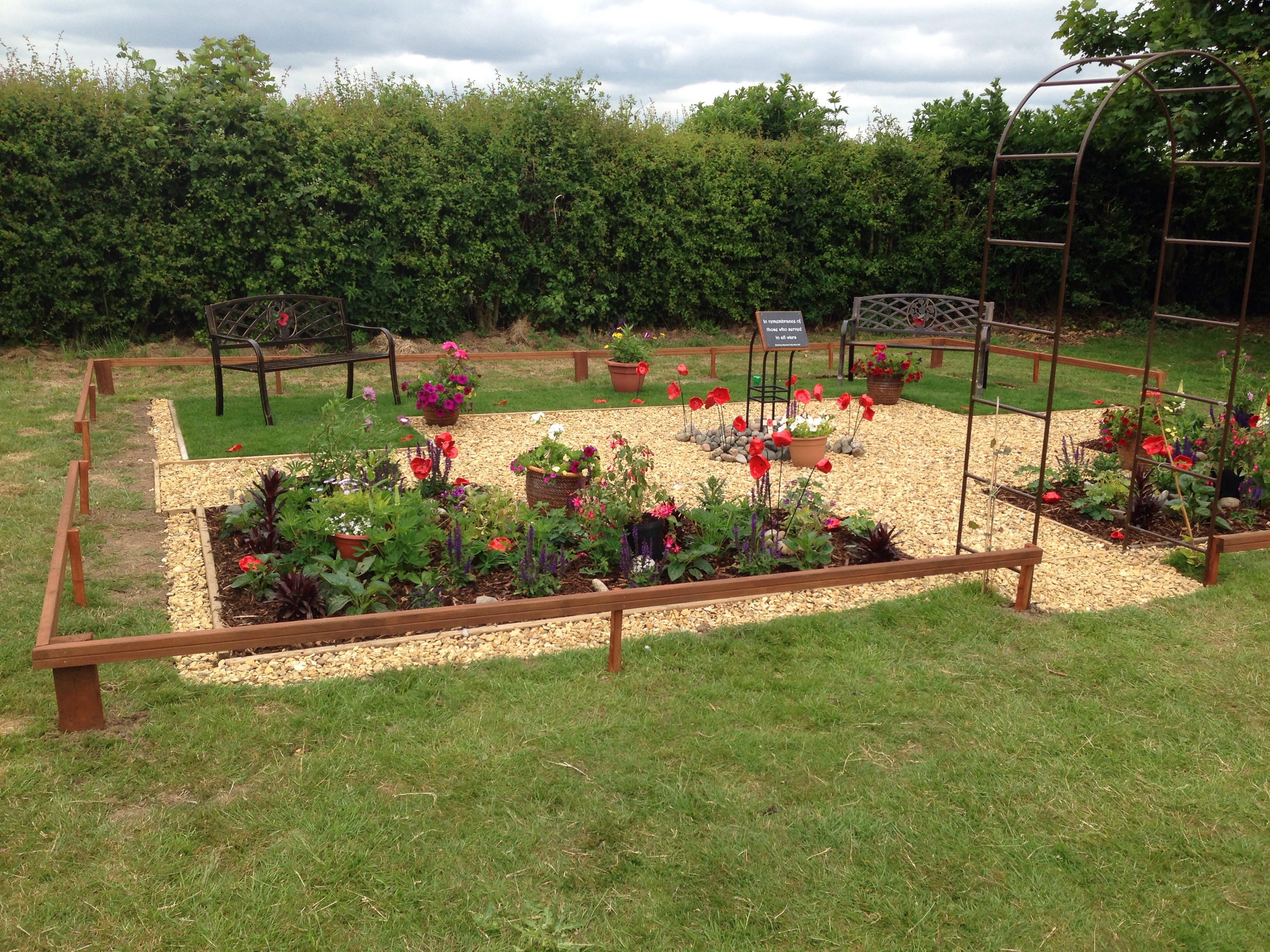
The Memorial at the Centre of the Garden.

As people arrived they were greeted with refreshments and displays of work, photos of family members along with artefacts gathered or brought in by friends and parents. My good friend Kevin Fleckner brought four original uniform and bits from a crashed B-17 for us to show.

At 17:15 two RAF Tornado jets from RAF Marham flew overhead. The first low and slow, the second 15 seconds behind, higher and much faster with her wings swept. Over the school, she banked and the crowd waved. The event had opened.

The head then read a short introduction and it was my turn. I have to tell you that public speaking is not my forte and whilst I had been a little nervous I stood at the podium and the nerves vanished. My speech went thus:

June 18th 2015 is a special day. Not just because we’re opening this beautiful space, but for several iconic reasons. 200 years ago today the British and French forces were locked in arms at the Battle of Waterloo. 75 years ago today Winston Churchill made his famous “this was their finest hour” speech. Two dates that will go down in history as both important and momentous.

But these ae not the only significant dates in history.

100 years ago last year in 1914 young men in their thousands signed up with excitement for what they thought would be the war to end all wars. However, the war they thought would be over by Christmas went on for four long years. In the killing fields of Flanders, young men, many barely older than 16 or 17 were slaughtered in their thousands, living in mud and rat infested trenches very few were to survive. If not killed by the constant shelling, sniper fire or the slow march through no man’s land, many would suffer shell shock, a brutal psychological illness that would eat away at the very heart and soul of the young men. Eventually, in 1918 the First World War ended, the guns fell silent and Europe could finally begin rebuilding once more.

Sadly man’s inhumanity to man was to raise its ugly head again. In 1939, Europe was plunged once more into war with the German invasion of Poland. As The mighty Nazi war machine blitzkrieged its way across Europe, the British Armed Forces once more fought bravely in the name of freedom and democracy.

From the beaches of Dunkirk to the defence of Britain in the skies over Kent, the landing grounds of Normandy, to the battles in the Ardennes, Arnhem, over the Rhine and eventually the battle for Berlin itself, the brutality of war would once more be seen again.

The civilian population of Europe was to suffer greatly too. The blitz of our cities and the bombing of European targets that killed thousands upon thousands as bombs rained down from the sky. The concentration camps, death camps and prisoners of war camps saw a brutality on a scale that was and still is, incomprehensible.

From the hot deserts of Africa through the warm seas of the Mediterranean to the freezing conditions of the Arctic convoys, young men would bravely fight without question many paying the ultimate and final sacrifice.

Eventually, on 8th May 1945, the war in Europe finally ended and Peace reigned once more. However, the killing went on in the Far East. On the Pacific Islands of Okinawa, Saipan, Iwo Jima and Guadalcanal, The fighting continued in some of the most brutal conditions known to man. Eventually on August 15th 1945. UK time, following the Americans dropping the world’s most devastating and horrific bombs on Hiroshima and Nagasaki, war was declared finally over. The world has now entered the atomic age and six years of war had left it scars across Europe, the Middle East, The Far East, in the waters of the Atlantic and Pacific Oceans and across both the northern and Southern Hemispheres. Across the world millions lay dead, injured, homeless or orphaned. In the words of our distinguished guests here today “There are no winners in war.”

If there is one thing that history can teach us, it is that man is unable to live at peace with his fellow-man. Whether it be disputes over territory, natural resources or religious ideologies, War has continued to be fought and young men and women have continued to die.

In post-World War 2, the world lived on a knife-edge; the Cuban missile crisis being the ultimate stand-off between the east and west. From Korea and Vietnam to the Falkland Islands, the Middle Eastern countries of Iraq and Afghanistan, Britain and her allies have continued to fight for peace and democracy something we here take very much for granted.

It is in the name of these young men and women that we have built this memorial garden, so that their memories and their sacrifice may live on in the hearts and minds of future generations. It is so that we can pay homage and remember the dedication, bravery and self-sacrifice that they have shown so that we may live today without fear and in freedom.

It is to these people that I say thank you. Thank you for willing to lay down your life so we may freely speak out against injustice. To those who never came home, who paid the ultimate sacrifice, may you forever rest in peace. Thank you

Next one of the children read what the garden meant to him. Un-nerved by the occasion, he told how his father passed on his grandfathers tales of the war, how it means he can enjoy the peace and tranquility and he made a remarkably moving speech from the heart.

We then had a young lady from the group read in full the Robert Lawrence Binyon poem ‘For the fallen’. Short gasps from some of the audience told me they didn’t realise where the Remembrance Day words came from as it appears in the middle of the poem. She too read fluently and without falter, quite an achievement. Both these children were only just 10/11 years old.

A blessing by the vicar led us into the last post and a two minutes silence for those who had paid the ultimate sacrifice. A number of visiting Vets saluted, the Air Training Cadets lowered the colours and all went silent. Not a sound bar the cool wind in the adjacent trees.

My Good Friends Baz and Helen, whom helped enormously, John and Tony the Veterans and Kevin, who brought a number of uniforms and bits for us to display.

After the reveille the colours were raised and the two veterans invited to open the memorial officially. One Tony, a Normandy D-day+1 vet and the other John, who fought from Africa against Rommel’s Tigers, through Italy up into the continent, stood either side. As they lifted the flag, John declared the garden open to applause from the gathered audience. The children then sang unaccompanied Vera Lynn’s “We’ll meet again”; many from the audience joined in. The event closed and photos were taken around the memorial.

I estimated around 150 people, which for a small school of 68 children is remarkable. We had veterans from Cambridge a good hour and half away,  visitors from Northampton another similar distance and a large number of folk from the village turn up.

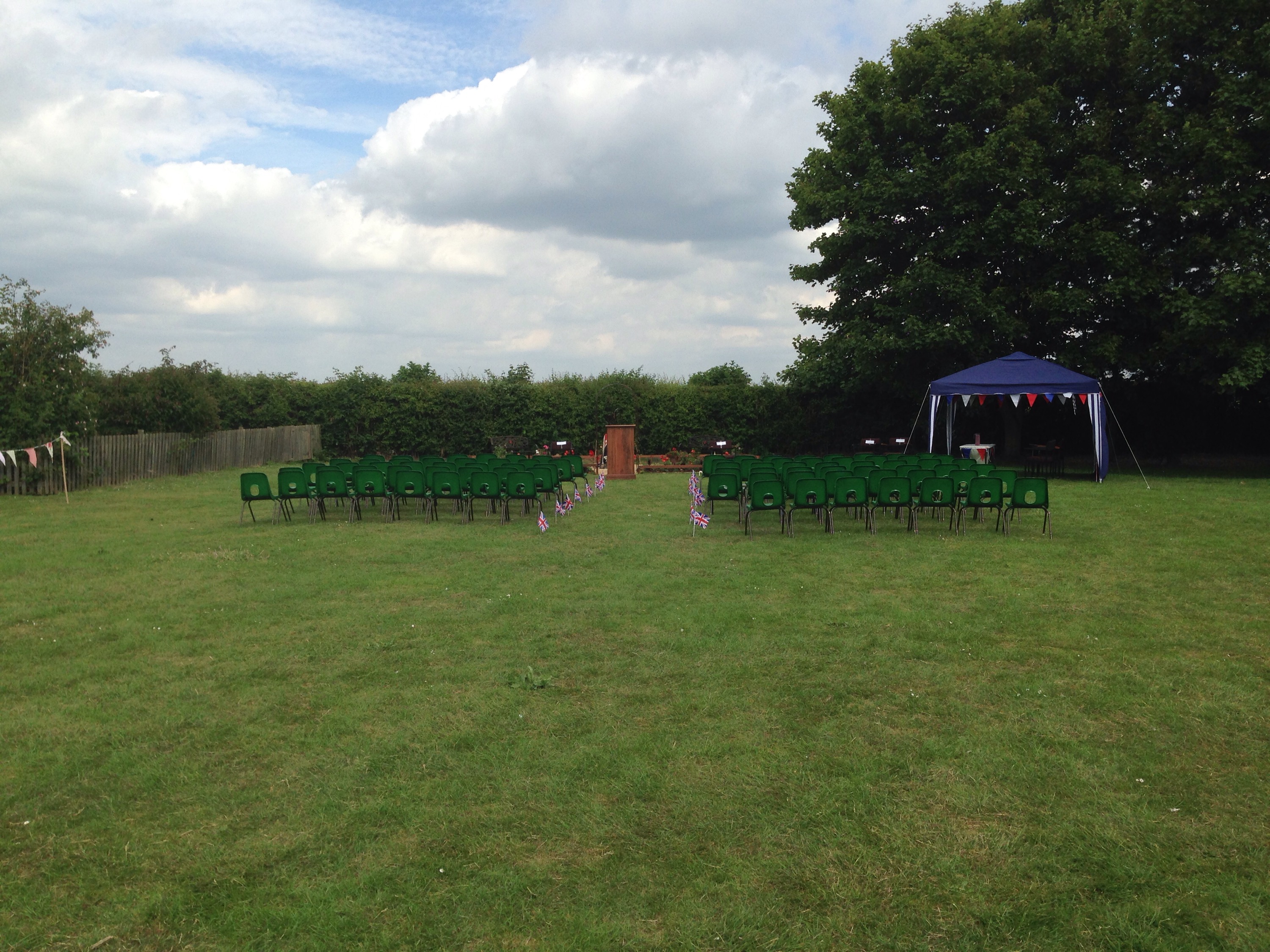
The seating before people started to arrive. There were many more standing, being a small school. we simply didn’t have enough chairs!

The feedback from visitors was superb and everyone was buzzing.

A real team effort, the long evenings, the hard work and recent battle against moles had all been worth while.

We had texts and emails from those who were there praising the efforts. It all worked out far better than even I had envisaged.

We shall miss it. We had great fun, even the odd beer or two, but it has been a real bonding exercise, we have become a little ‘family’ and are really proud of our achievements.

I passed on the good wishes to the children whom I think are quite overwhelmed themselves. They did a fantastic job and were superb role models for others to follow.

The Garden as it is today. We shall seed the outside, and continue the fight with the moles. An area for relaxation and thought.

We shall continue to nurture and maintain the Garden and watch it grow. The children use it already and do enjoy it. The rose in the crown were the poppies. Made out of clay, they are all handmade by the children mounted on metal rods and bunched in groups of 3 or 4. They do look superb.

There were small stumbling blocks along the way, and these caused delays but none so great we couldn’t deal with them. All in all it went beautifully, far, far better than I ever imagined and the finished product, I hope you’ll agree, is stunning.

An article appeared in the paper on the following day, Saturday here’s a link.

Engines roar over Grafton Underwood once more. 

The ‘updated’ memorial at the former American Airbase,  RAF Grafton Underwood (Station 106), has been revealed with the help of Europe’s only flying B17 – ‘Sally B‘.

A large crowd gathered at the Memorial On Friday 29th May 2015, to hear speakers and see the beautiful ‘Sally B‘ perform a number of flypasts over the skies of Station 106 once more.

I sadly could not go due to work commitments, but have been informed that it was a resounding success and that it was very well attended by well wishers and members of the public alike.

This updating, has been in the pipeline for a while now and all the hard work has finally paid off. A new parking area and flag poles have been added and the site generally improved for visitors.

I have obtained and attached a short ‘You Tube’ video taken by one of the visitors to the event for you to see.

A lovely end to a remarkable tail.

My thanks go to Kevin for all his hard work and dedication keeping the memorial in such great condition and the memories of the 384th BG (H) well and truly alive.

The video of the event was kindly sent to me,  I don’t know who took it but all credit goes to them. I will try to find their name and attach it when I can.

Grafton Underwood appears in Trail 6.

“Ready or Not” Station 130, RAF Glatton

Not a usual post for Aviation Trails, but something I felt worth sharing.

I often ‘share’  my experiences with friends and colleagues at work, and was intrigued by a book that was shown to me called “Ready or not – into the Wild Blue” which is a biographical account of a B-17 pilot who flew from RAF Glatton (otherwise known as Conington after the nearby village) during the Second World War.

Glatton was a US base designated Station 130 and was home to the 457th BG. Comprising the 748th, 749th, 750th, and 751st Bomb squadrons. “Ready or not” is a biographical account of one of its pilots, J. Francis Angier Major, (Ret), and takes you through his life from a child to training, posting to Glatton, capture, internment, release and onto his post war service flying for the Vermont National Guard until retirement in 1968.

The book, not specifically about Glatton, contains a number of wartime photos, and for those interested in the base (Trail 6) it provides a first hand account into the crews, aircraft and life on an American base in England, during wartime

An interesting insight into one man’s life both pre, during and post Second World War it is certainly worthy of a read.

Ready or Not – Into the Wild Blue” is published by Old Forge Publishing ISBN: 0-9544507-7-9

Conington aug 2014 second runway markings

One of the Runways at Glatton where, Major Angier would have flown from.


RAF West Raynham – a well Preserved Segment of Britian’s Aviation History.

From the first site of this trail, RAF Sculthorpe, we travel a few miles south, a stones throw, to its sister station and another post war relic – RAF West Raynham.

RAF West Raynham

Nestled away in the heart of Norfolk is a real hidden gem. West Raynham remains an incredibly intact airfield, complete virtually in its entirety. But don’t get over excited, the diggers, cranes and bulldozers are there and already casting their blows.

Built in 1939 it had four runways, all of grass with 36 pan type dispersals, an accommodation block, ‘C’ type hangars and all the associated support buildings of a wartime airfield. Used by bomber command, it would see a range of twin-engined aircraft operate from within.

C Type Hangar

West Raynham’s hangars will be holiday flats.

Opened in May 1939, it was typical of its time. The first squadron to be based here was 101 squadron RAF, equipped with Bristol Blenheim IVs and later Vickers Wellington 1cs. 101 sqn began the war with daylight attacks on oil supplies in the port areas, communication lines and enemy airfields. A duty that later changed to the more successful night fighter role. 101 eventually left West Raynham, being replaced by further Blenheims of 114 squadron. Other squadrons to arrive included: 2 Grp TT flight, 76, 139, 18, 90 (with B17c ‘Fortresses’), 614, 18 and 1482 squadrons. A variety of aircraft came with them, including: Lysanders, Defiants, Bostons, Hampdens and Fairy Battles giving West Raynham a real diverse range of types.

In September 1942, two more squadrons arrived at West Raynham, 98 and 180 operating the North American B25 ‘Mitchells’. In the following year, Between May and November 1943, the grass runways were removed and replaced with concrete runways, one 2,000 yards (1,800 m) long and the other 1,400 yards (1,300 m) long. To coincide with this, the accommodation area was also expanded to allow for the influx of new personnel. West Raynham was now able to accommodate up to 2,456 men and 658 WAAFs.

West Raynham 042

The Officers mess is destined for other uses.

Night intruder attacks from West Raynham increased. De Havilland’s ‘Wooden Wonder’, the Mosquito II, FB, VI and NF 30s of 141 and 239 squadrons taking over this role. A number of switching between nearby Sculthorpe and Great Massingham, led to regular changes in residency, indeed as the war closed and the jet age beckoned, West Raynham would be the home to many types of modern fighter and their squadrons. Fighter trials became the order of the day, Tempests, Spitfires, Firebrands, Sea Mosquitos (see here), Sea Venoms, Sea Hawks Meteors, Javelins and Canberras to name but a few. The Royal Navy based many of their types here for various trials and research projects. The last piston examples to fly from West Raynham were the Fireflys and Hellcats of 746 sqn RN as part of Naval Fighter development Unit.

Further fighter trials and development units continued into the jet age, and the last aircraft to grace the skies over West Raynham were the Hunters and Canberras of 45, 85 and 100 squadrons. Then the roar of the jet engine was replaced by the Bloodhound missile and West Raynham began its decline into closure. In the 1994 West Raynham finally closed its hangar doors and its personnel moved out, the airfield itself remaining in MOD hands. Sadly the housing lay empty and it quickly became derelict, targeted by the vandals, the accommodation blocks were damaged and windows smashed.

Long debates and scornful banter over the housing shortage boiled over in parliament and sites such as West Raynham were seen as Prime land, with a huge infrastructure already in place, they were half way to meeting the needs of a growing community. The MOD eventually gave in, agreed to the sale and the site was handed over.

Control Tower

The Tower stands in the late sun shrouded in scaffolding. A sign of new life?

Initial attempts at obtaining a Grade II listing to a large number of the airfield’s buildings was made by the English Heritage but sadly, this was later withdrawn and no follow-up made. A number of planning applications have been passed over a period of years and as a result, the number of developments designated for this site have increased. Luckily, many of the original homes will and have been refurbished and sold off, thankfully retaining their original style and layout.  The Hangars remain and will be turned in to Holiday apartments. How much of the other airfield architecture will remain in its original design is yet to be seen, but much of the north end of the runway and Bloodhound sites have already gone, being replaced by the beginnings of what is reputed to be, Britain’s largest Solar Park.

The control tower remains along with a wide range of smaller ancillary buildings, shrouded in scaffolding maybe it will become a cafe or other ‘social centre’. The Rapier Training dome still stands as does the elaborate Officers Mess. The adjacent tennis courts have now been reclaimed by trees and like the mess, will no doubt will find a new lease of life in some other guise.

various 005

The Rapier training dome resembles the gunnery trainers found at other older airfields.

If you drive round the airfield, to the east side, you can still obtain good views across to the hangars. The original Battle headquarters remains buried and pill boxes for the airfields defence can also be found.

A memorial to the crews of West Raynham has been erected in what is now the centre of a new housing area that utilises the old accommodation blocks. Around it remain fences and grazing sheep, the buildings behind them yet to see their fate.

West Raynham’s lasting legacy may be down to Flight Lieutenant Alan Pollock, flight commander of No 1 Squadron, who around midday on 5th April 1968 flew a Hawker Hunter FGA.9 (XF442) between the two spans of Tower Bridge in London. This stunt, a protest by Pollock at Government defence cutbacks, resulted in Pollock being invalided out of the RAF on ‘medical’ grounds, the alternative being a rather more embarrassing court-martial.

West Raynham remains today an incredibly well ‘preserved’ airfield, complete in its entirety. Its history is well documented in its walls and architecture. The layout, even as private housing is clearly that of an airfield, with the feel of an airfield, but what of its future? What will eventually become of this grand and large segment of British History? Only time will tell.

various 002

West Raynham’s memorial stands in the centre of the refurbished housing development.

Just a few minutes drive from West Raynham to the west is another wartime airfield and our last for today. Whilst the majority of the infrastructure has gone, all is not lost as it is a private airfield open to landings and with access in part via a footpath, a real delight to end the trail. We visit the picturesque village of Great Massingham.

RAF Sculthorpe – a relic of the Cold War.

In this second part of the Norfolk Trails, we visit three more of Norfolk’s treasures. Deep in the heart of Norfolk, two of them are very much complete, but the third is all but gone. However, all is not lost as it still an active private airfield, and some of its features have luckily survived.

The first of these three jewels on this trail is RAF Sculthorpe.

RAF Sculthorpe 

Located to the west of Norwich, Sculthorpe has its origins in the Second World War, but it has a larger claim to fame that it still retains to this day.

A once busy shop

A once busy shop now derelict and forgotten.

Designed initially as a heavy bomber site, and satellite to RAF West Raynham, Sculthorpe now has three runways one of 12,000ft and two of 6,000ft, all concrete. With its enormous technical and administration sites that housed up to 10,000 personnel, Sculthorpe was one of the biggest bases in Europe, an honour it retains to this day.

Sculthorpe had a limited Second World War life, being opened quite late in the war in January 1943. Following a years development and growth, it initially housed Mosquitos of 464 (RAAF) and 487 (RNZAF) squadrons.  Originally based at Methwold, the Mosquito FB.VIs replaced the earlier and slower twin-engined Venturas. At Sculthorpe, these two units were joined by 21 Sqn who stayed until the following December, before moving on. Then the much heavier B-17s of 214 sqn moved in thus changing the role of RAF Sculthorpe. The B-17s were redesigned and adapted to assist in radio jamming trials, the early form of Electronic Counter Measures (ECM), the B-17 crews would also be joined by other personnel from the United States, who stayed carrying out this role, until just prior to the end of hostilities.

Accomodation Block

Barrack Block

It was really at this time that Sculthorpe came into its own. With the influx of crews from the States, more accommodation would be needed and quickly. A sustained period of redevelopment, improving of runways and hardstandings, saw Sculthorpe gain the designation of Very Heavy Bomber base. It was anticipated that the enormous Boeing B-29s would be stationed here, but when the war in Europe came to an end, further deployment at Sculthorpe ceased and the B29s never arrived. However, the rise in ‘Soviet Aggression’ and post conflict tensions during the Cold War and Berlin airlift, secured the immediate future of Sculthorpe. Atomic weapons were stored here ready, when the North American B-45 Tornado found itself becoming the front-line four engined bomber designed to attack Soviet targets from the UK. During 1952, the 47th Bomb Wing of the Strategic Air Command were redeployed here from the United States. This wing consisted of the 84th, 85th, and 86th BS, along with the 420th Refueling Sqn and the 19th Tactical Reconnaissance sqn. These units operated a number of types including the: B-45, B-66, KB-29, KB-50, and RB-45C aircraft.

Control Tower

The Control Tower in a setting sun.

Ninety day duty rotations saw aircraft like the mighty B-36 ‘Peacemaker’ fill the skies over Sculthorpe, until finally, political agreements and imposed de-escalation strategies between the Cold War factions, prevented further deployment of large-scale US bombers on European soil.

Gradually, as nuclear deterrents turned to missiles and naval based platforms, Sculthorpe’s activity began to slow. Being returned to RAF ownership in 1964, it was placed in care and maintenance, and held by only a small detachment of support staff. Then in the late 60s, the USAF returned once more, needing a base from which to operate its aircraft whilst other airfields were redeveloped and runways resurfaced. This brought new life to Sculthorpe, American F-4 Phantoms and C-130s were based here, along with other aircraft types from the RAF operating under similar circumstances. This process went on well into the late 1980s and Sculthorpe became a mecca for plane spotters for at least another few years.

Airmens huts

‘Hut 380’, a Second World War remnant.

This was not to last however, and Sculthorpe finally closed its doors in 1992, the enormous accommodation blocks and technical sites were sold off. Both these and many of the remaining buildings were left to decay, whilst planners gae thought to what they should be used for. However, like a phoenix, Sculthorpe returned from the dead yet again. The RAF, Army Air Corps and USAF using it for manoeuvres, with tilt wing aircraft, paratroops and rehearsals of supply drops over its enormous runways; much of this activity taking place at night. Even up until recently, C-130s have also been seen landing here, again rehearsing quick ‘stop-‘n’-go’ drops.

Looking at Sculthorpe, it is hard to believe its origins were in the Second World War. Being a real monster of the Cold War, Sculthorpe is clinging on by the skin of its teeth. The accommodation blocks that once housed 10,000 personnel are decaying and vandalised, refurbished areas are now sold off and accommodating local families. A small industrial area has been developed from the technical area, and the local farmer grazes his cows on the far reaches of the site. Many of the older orignal buildings have been left to rot and fall down. The American authorities still retain some ownership of the site, whilst a large part of it is in private hands.

Technical site buildings

A large part of Sculthorpe has been left to rot, piece by piece.

The original guard-house is no longer manned, and a number of other buildings close by are also empty. A small public track that once took eager plane spotters to the rear of the airfield, still allows views across the north of the now quiet site where a blister hangar continues to stand alone. The control tower is still intact visible in the distance from this point, as are a number of original Nissan huts and Second World War buildings hidden amongst new buildings and old developments.

Reunion 'memorial'

In remembrance of the 47th BW, 50th anniversary reunion, 2002.

Sculthorpe was once a bustling airfield, home to some of the world’s heaviest bombers, a mecca for aviation enthusiasts and plane spotters alike. Today, it is a decaying industrial site, a mix of old buildings and new developments, a remnant of the Cold War, it clings on to life by the skin of its teeth, maybe, just maybe, the Phoenix will rise up once more and spring into life again.

Blister Hangar

Sculthorpe’s remaining Blister hangar in a low setting sun.

From Sculthorpe, we travel a few miles south, a stones throw, to its sister station and another post war relic – RAF West Raynham.

Death of a Ball Turret Gunner – Randall Jarrell.

ball

A Ball Turret, the home to many young men.1

There have been many poems written around the theme of death and dying in the line of duty. Some have become ‘classics’ known and used world-wide. Others have remained unknown but to those who wrote them.

Often written by young men, they reflect the horror of war , the conditions in which they served and lived , the sense of hopelessness and never-ending feeling of not knowing if today would be your last. Written in the latter stages of the Second World War and published in 1945, ‘The Death of the Ball Turret Gunner‘ is a short poem by Randall Jarrell. Jarrell, too old to serve as a Combat Pilot himself, served as an instructor and wrote many works around the theme of war. He reflects in this piece about the ‘matter-of-factness’ of war and death and how men (or boys) are slaughtered with little thought or remorse.

‘Death of a Ball Turret Gunner’ is about the death of a gunner in the underbelly of an American bomber.

“From my mother’s sleep I fell into the State,
And I hunched in its belly till my wet fur froze.
Six miles from earth, loosed from its dream of life,
I woke to black flak and the nightmare fighters.
When I died they washed me out of the turret with a hose.”

Jarrell, added his own explanation, describing how the ball turret resembled a mother’s womb and the “short small man”, the gunner within, a foetus.

As a ball gunner, you were exposed to exploding cannon shells. Spinning round and round contoured into all sorts of positions. Your only companion being the two .50 calibre machine guns that rattled their violent disgust. Many have analysed the work, it has been the inspiration for a play, published with illustrations and referred to in many literature works.

To me. It’s more simple. The work of a young man whose life was turned upside down, taken from the safety of his home, put into a killing machine and then discarded with little thought when life is extinguished.

The poem appears in many publications and websites, I found this copy on Wikipedia at:

http://en.m.wikipedia.org/wiki/The_Death_of_the_Ball_Turret_Gunner

A biographical account of Jarrell can be found here.

1 Photo courtesy of Marcella.

Other poems can be found here.

Finally – recognition for Britain’s airfields and the sacrifice made by so many. 

The government recently announced their final budget before the forthcoming general election. Amongst the tax hype, vote buying and pre-election promises we have come so accustomed to, was a small recognition to those who gave their all for the security of Britain. 

Recognition has finally been given to the deterioration of Britain’s wartime airfields. In particular Stow Maries that dates back for the First World War, the museum at Hendon and the chapel at the former RAF base at Biggin Hill, have all been the subject of grants to improve and update them. 

This does not in itself signify a dramatic change in heart of the upkeep or a reduction in planning and development of Britain’s wartime airfields, but it does show a change in attitude toward those that flew from them and the memories we hold of them. 

Any small recognition of the sacrifice made by these people, and the fading historical aspect of these now decaying sites has to be good. Maybe just maybe, somewhere along the line planning regulations may change to allow for preservation of some small part of these sites before they are all gone forever. 

This has to be a positive step forward, let’s hope so!

An interesting article relating to this appeared in the “Telegraph” newspaper on May 21st. It’s well worth a read and can be found here